Commercial Real Estate Investing Basics: What New Investors Should Know Before Buying Property
Commercial real estate investing continues to attract investors looking for long-term income potential, asset growth, and portfolio diversification. Unlike residential real estate, commercial investment properties are typically valued based on income production, lease structure, tenant stability, and market demand.
For investors exploring commercial real estate for the first time, understanding how these factors work together is an important starting point before evaluating any specific opportunity.
What Counts as Commercial Real Estate?
Commercial real estate refers to income-producing property used for business operations, tenant occupancy, or investment purposes. Common categories include:
- office buildings
- industrial properties
- retail centers
- multifamily apartment communities
- mixed-use developments
Each asset class operates differently and responds to different market conditions.
For example, industrial properties often benefit from logistics demand and warehouse usage, while office properties depend more heavily on tenant layout needs, accessibility, and surrounding amenities.
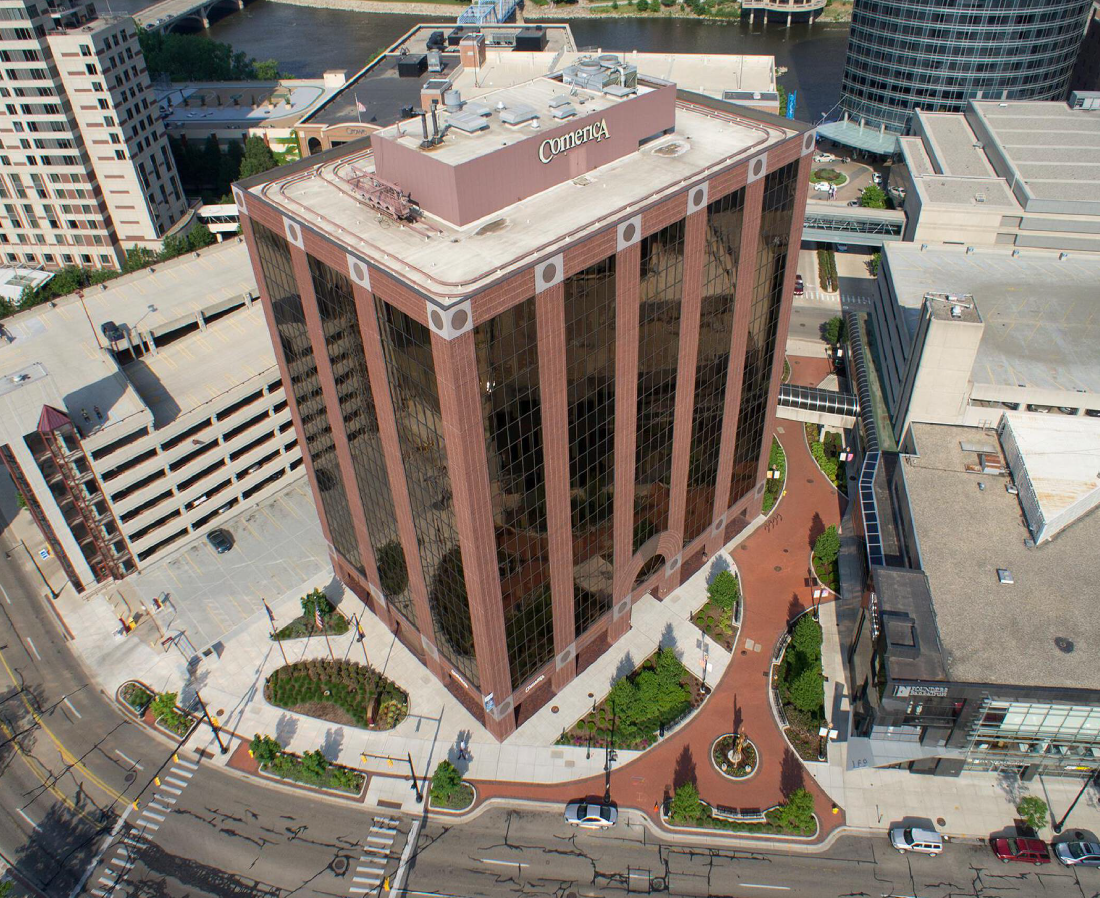
In markets like West Michigan, industrial and office properties continue to remain important sectors for both owner-users and investors.
How Commercial Real Estate Generates Income
Most commercial investment properties generate income through tenant lease agreements.
Rental income is often structured through lease types such as:
- gross leases
- modified gross leases
- triple net leases (NNN)
Lease structure directly affects how expenses are divided between ownership and tenants. In many commercial properties, tenants may contribute toward taxes, insurance, maintenance, or common area expenses depending on lease terms.
Because lease agreements often extend several years, tenant quality and lease stability can strongly influence long-term investment performance.
Why Commercial Real Estate Is Often Viewed as a Long-Term Investment
Commercial real estate is generally considered a long-term investment strategy because returns often strengthen over time through both income and property value.
Investors frequently evaluate:
- annual rental income
- occupancy trends
- lease rollover timelines
- operating expenses
- future appreciation potential
Rather than focusing only on short-term gains, many commercial investors evaluate how a property may perform over multiple market cycles.
What Makes One Commercial Property Perform Better Than Another?
No two investment properties perform exactly the same.
Several factors influence long-term commercial property performance:
- location
- tenant demand
- surrounding development
- lease duration
- property condition
- local economic growth
A well-located industrial building near transportation routes may perform differently than a suburban office property, even if both offer similar square footage.
This is why market knowledge remains essential when evaluating investment opportunities.
Why Investors Continue Exploring Commercial Real Estate
Commercial real estate remains attractive because it may offer:
- recurring rental income
- long-term asset ownership
- diversification outside traditional investments
- potential tax advantages depending on ownership structure
- inflation-resistant income in certain lease structures
For many investors, commercial property also offers more control and transparency compared with other asset classes.
What New Investors Should Understand Before Entering the Market
Before purchasing commercial real estate, investors often benefit from understanding:
- local vacancy trends
- lease expiration schedules
- capital improvement needs
- financing structure
- market rent comparisons
Strong investment decisions usually begin with careful review rather than simply focusing on asking price.
Commercial Real Estate in West Michigan Continues to Offer Opportunity
Markets such as Grand Rapids and surrounding West Michigan communities continue to attract attention because of ongoing business growth, industrial demand, and expanding regional infrastructure.
For investors exploring commercial opportunities, understanding local market fundamentals often provides stronger long-term clarity than national headlines alone.
Start with Questions Before Making an Investment Decision
Whether someone is actively preparing to invest or simply learning how commercial real estate works, asking questions early is often the best first step.
The team at Vision Real Estate Investment regularly works with investors, owners, and businesses navigating commercial property decisions across West Michigan.
If you have questions about commercial real estate investing or where to begin, connecting with an experienced local team can help clarify the next step.
Frequently Asked Questions About Commercial Real Estate Investing
Is commercial real estate a good long-term investment?
Commercial real estate is often viewed as a long-term strategy because income and value may build over time through tenant occupancy and market growth.
What type of commercial property is best for beginners?
The right property depends on goals, risk tolerance, and market understanding. Office, industrial, and multifamily properties each operate differently.
How do commercial leases affect investment returns?
Lease structure directly influences operating expenses, tenant responsibility, and long-term income stability.